Author: Ben Jackson
Last Updated: August 21, 2023
Hey there, egg enthusiasts! Welcome to my ultimate guide on how to cook eggs. Whether you’re a breakfast aficionado or just looking to whip up a quick meal, eggs are a versatile delight. In this egg-stravaganza of a blog, we’ll cover everything from determining if an egg is good to mastering the art of poaching, frying, boiling, and scrambling. Plus, I’ve sprinkled some tips and tricks throughout to make your egg-cooking journey even more egg-citing. And hey, if you’re looking for the best tools to make these egg-squisite dishes, I’ve got you covered with some recommendations too!
How to Test if Eggs Are Good and Safe to Use:
Before diving into the egg-citing cooking methods, let’s address the basics. Ever wondered how to test if eggs are good and safe to use? It’s easy! Fill a bowl with water and gently place your eggs in it. If they sink and lay flat, they’re fresh and good to go. If they stand upright or float, it’s time to bid them farewell – they’ve gone bad.
Tips for Egg-cellent Cooking:
- Always start with eggs at room temperature for even cooking.
- Use a whisk for scrambled eggs to achieve a creamy texture.
- For a healthier twist, consider using Frylight low calorie oil instead of regular cooking oil.
- If you’re a perfectionist, try fried egg ring moulds – they’re perfect for beginners and experts alike.
How to Poach an Egg Like a Pro:
Now, let’s delve into the art of poaching eggs. It’s all about that perfectly runny yolk and silky whites. I recommend the Tefal Comfort Max Saucepan 18cm for this job. Here’s a step-by-step guide:
- Fill the saucepan with water, about two-thirds full.
- Add a splash of vinegar – it helps the whites coagulate faster.
- Bring the water to a gentle simmer.
- Crack an egg into a small bowl, then slide it into the simmering water.
- Let it cook for about 3-4 minutes for a runny yolk.
- Use a slotted spoon to gently lift the egg out and let the excess water drain.
Perfecting the Fried Egg:
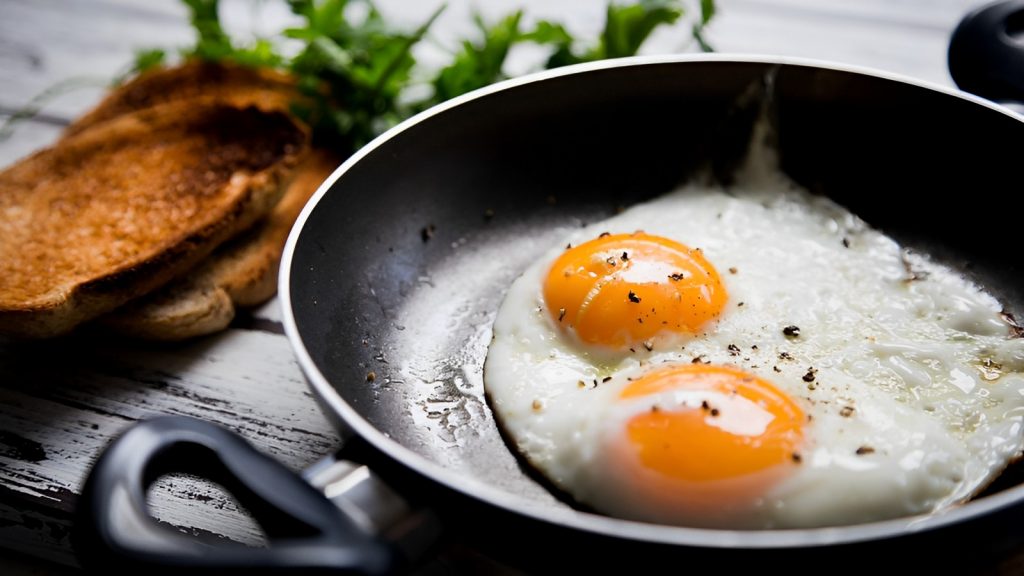
Ah, the classic fried egg – sunny side up or over-easy, it’s a breakfast superstar. For this, I turn to the Tefal Precision Plus Non-Stick Frying pan. Here’s the sunny-side-up method:
- Heat the frying pan over medium-low heat.
- Add a touch of your preferred cooking oil – or Frylight low calorie oil for a healthier option.
- Crack the egg into the pan and let it cook until the whites are set but the yolk remains runny.
- Season with salt and pepper, and slide it onto your plate.
Two Ways to Poach Eggs in a Microwave:
Looking for a quick fix? Poaching eggs in the microwave is a game-changer. Try these methods for egg-cellence:
- Pan-Free Poaching: Crack an egg into a microwave-safe bowl with a splash of water. Cover the bowl with a microwave-safe plate and cook on medium power for about 1-2 minutes. The yolk should be runny, and the whites set.
- The Mug Method: Fill a microwave-safe mug with water and crack an egg into it. Gently pierce the yolk with a toothpick to prevent any microwave “explosions.” Cover the mug with a microwave-safe plate and cook for about 1 minute. Check for desired doneness.
Scrambling Eggs – The Proper Way:
Scrambled eggs are a breakfast classic, but nailing the texture can be a challenge. Here’s how to scramble eggs the proper way:
- Crack eggs into a bowl, usually 2-3 eggs per serving.
- Add a splash of milk for creaminess and whisk vigorously until well combined.
- Heat a non-stick pan over low heat and melt a touch of butter or use Frylight low calorie oil.
- Pour in the egg mixture and let it sit for a moment, then gently stir with a whisk.
- Continue stirring until the eggs are just set, but still slightly creamy. Don’t overcook!
How to Know if an Egg is Boiled:
Hard boiled eggs are a meal-prep staple. To avoid overcooking, follow these steps:
- Place the eggs in a saucepan and cover with cold water.
- Put the pan over high heat and bring the water to a rolling boil.
- Once boiling, reduce the heat to low and let the eggs simmer for 9-12 minutes.
- Transfer the eggs to a bowl of ice water to stop the cooking process.
- To know if an egg is boiled, spin it on a flat surface. If it spins smoothly, it’s fully cooked.
Cooking eggs isn’t just about sustenance; it’s an art form waiting to be mastered. Whether you’re partial to a perfectly poached egg or love the sizzle of a fried one, these techniques will take your breakfast game to new heights. And remember, all the products I’ve recommended have been personally tested and highly recommended by yours truly.
Disclosure: As an Affiliate Marketer, I want to be transparent about how this blog is supported. Throughout the article, you’ll find hyperlinks to products that I genuinely believe in and have personally tested. When you click on these links and make a purchase, I may earn a small commission at no extra cost to you. Your support helps me continue creating egg-citing content like this. Thank you!